For most people, AI tools still feel like something you “use” — you type a prompt, you get a response, and that’s it. But that model is starting to change.
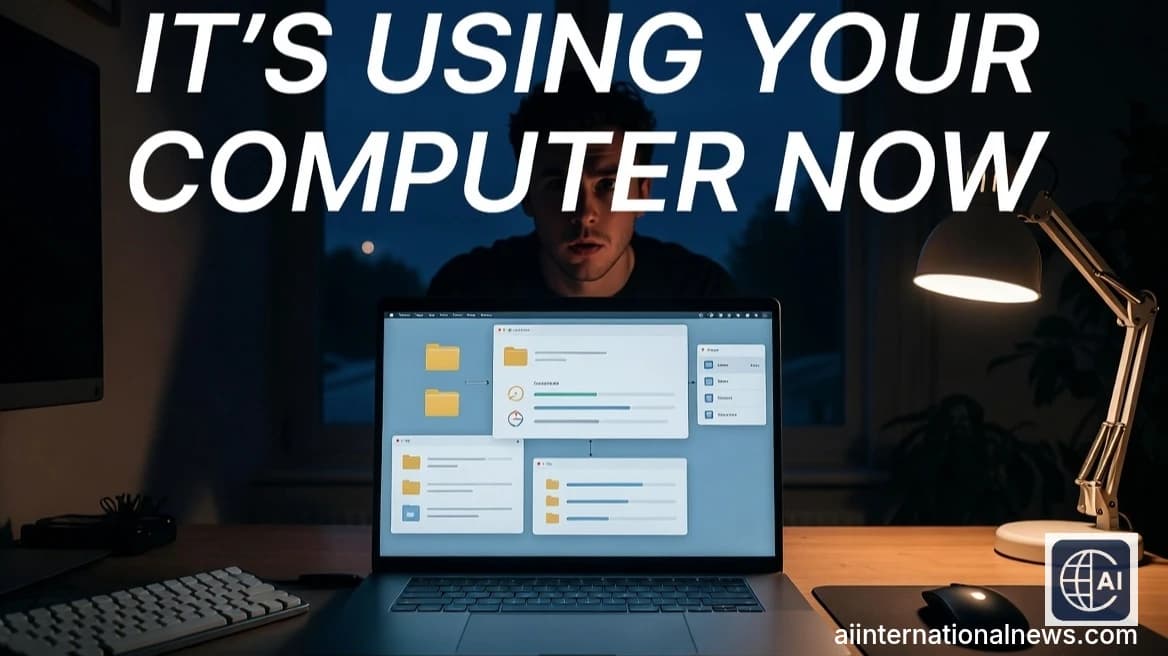
ChatGPT is now moving toward something more active. Instead of just answering questions, it can interact with your computer, perform tasks, and handle actions that previously required manual effort.
This is not a small upgrade. It changes how people will use AI entirely.
What Can ChatGPT Actually Do Now?
According to current updates, ChatGPT is being integrated with tools that allow it to access parts of your system and perform real actions.
This includes tasks like:
- Scanning files and folders
- Cleaning up unnecessary storage
- Automating repetitive computer tasks
- Assisting with workflow-based actions
Instead of guiding you step-by-step, the system can now execute those steps itself.
Why This Feels Like a Big Shift
Until now, AI has mostly been passive. It could suggest, explain, or generate — but it couldn’t act.
This update moves AI into an active role.
That means you are no longer just asking for help. You are delegating work.
And that difference matters.
How This Could Change Everyday Work
If this direction continues, simple tasks on computers may start getting handled automatically.
For example:
- Cleaning storage without manual sorting
- Organizing files based on context
- Running routine system tasks
- Assisting with software workflows
This does not remove the user. But it reduces the need for manual effort.
The Privacy and Control Question
Giving AI access to your computer naturally raises concerns.
Users will want to know:
- What data is being accessed?
- How much control does AI have?
- Can actions be reversed?
- Where are the safety limits?
These questions are important, and how companies address them will determine how quickly people adopt these features.
This Is Where AI Becomes an “Agent”
This update is part of a larger shift toward what many are calling agent-based AI.
Instead of tools that respond, these systems can:
- Understand tasks
- Plan actions
- Execute steps
- Adjust based on results
In simple terms, AI starts behaving less like a chatbot and more like an assistant.
What to Expect Next
Features like this are likely to expand quickly.
In the near future, we may see AI systems that:
- Manage entire workflows
- Operate across multiple apps
- Handle tasks with minimal input
The challenge will not be capability. It will be control and trust.
Sources and Context
This article is based on recent feature updates and demonstrations showing AI systems gaining the ability to interact with local environments and perform actions on behalf of users. Capabilities may vary depending on platform and rollout stage.
Frequently Asked Questions (FAQs)
Can ChatGPT fully control my computer?
Not fully. Access is typically limited and controlled.
Is this feature available to everyone?
Availability depends on rollout and platform support.
Is it safe to use?
It depends on permissions and safeguards in place.
What is the biggest takeaway?
AI is moving from answering to taking action.
Abhijeet's Take
This is one of those changes that looks small on the surface but shifts behavior completely. Once people get used to AI doing tasks instead of just suggesting them, expectations will change fast.
The real question is not whether this will be useful. It is how much control users will be comfortable giving away.