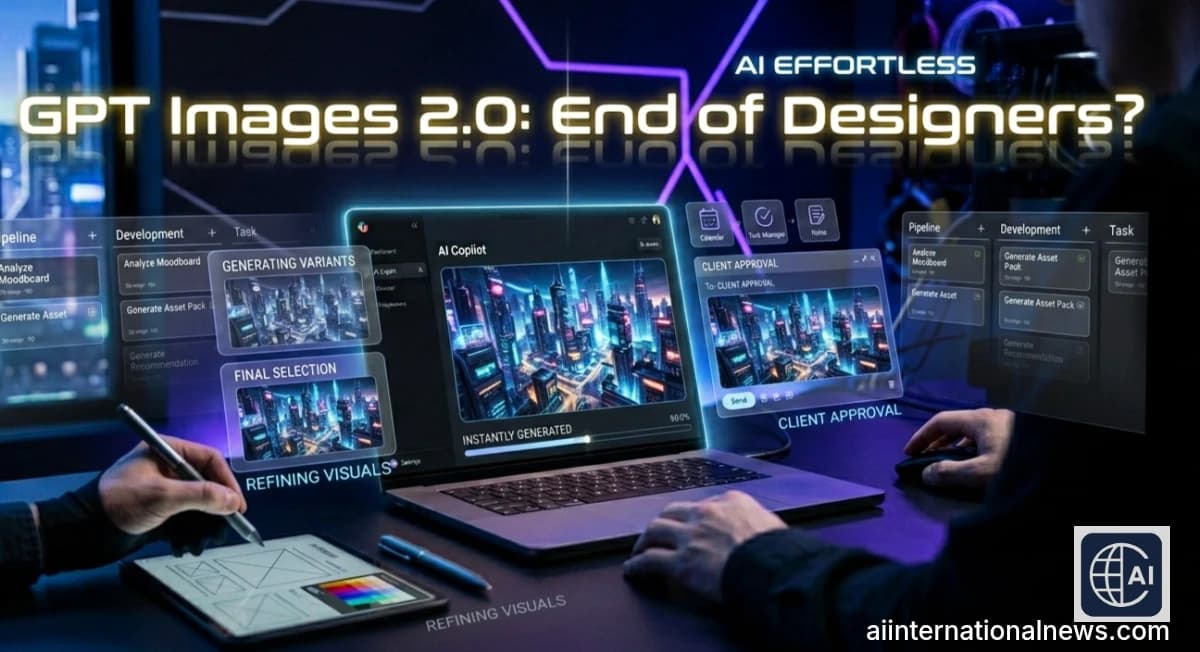
OpenAI has introduced ChatGPT Images 2.0, a major upgrade to its AI image generation capabilities. The update brings a noticeable shift from basic image creation to more structured, reasoning-based visual generation. While the improvements are impressive, they are also raising serious questions about misuse and digital trust.
What Is ChatGPT Images 2.0
According to recent reports, the new model can now process prompts more intelligently before generating visuals. Instead of guessing outputs, it breaks down instructions and creates more accurate, consistent images. 0
This allows it to generate complex content such as posters, comics, layouts, and even multilingual designs with better accuracy than previous versions. 1
What’s New in This Update
- Reasoning-based image generation: The model analyzes prompts before creating visuals
- Better text rendering: Clear and readable text inside images
- Multi-image consistency: Can generate multiple related visuals in one go
- Higher realism: Images now look closer to real photos
These improvements make the tool more useful for real-world applications like marketing, design, and content creation. 2
The Big Concern: Fake Becomes Hard to Detect
The same realism that makes the tool powerful also introduces risks. Reports show that AI-generated images, including documents and signatures, are becoming increasingly difficult to distinguish from real ones. 3
In one viral example, an AI-generated bank cheque appeared nearly identical to a real one, raising concerns about fraud and identity misuse. 4
Why This Matters Now
AI image tools are no longer just experimental. They are becoming part of everyday workflows. With increased realism, the line between real and AI-generated content is getting thinner, making verification more important than ever.
At the same time, competition in AI image generation is increasing, with companies focusing on both quality and efficiency. 5
Abhijeet's Take
Images 2.0 is not just a feature update. It shows where AI is heading — from generating content to understanding and constructing it. That is a big shift.
But the bigger story is trust. When fake content becomes indistinguishable from real, the problem is no longer technology — it becomes societal. The real advantage will go to people who learn how to verify, not just create.
Sources and Context
This article is based on recent coverage from publications such as TechRadar, Business Insider, Indian Express, and others reporting on the launch of ChatGPT Images 2.0. Features and implications are based on currently available information and may evolve over time.
Frequently Asked Questions (FAQs)
What is ChatGPT Images 2.0?
It is OpenAI’s latest AI image generation model with improved reasoning, realism, and text accuracy.
Is it available to everyone?
Basic access is available, while advanced features are limited to paid plans.
Why is it controversial?
Because it can generate highly realistic images that may be hard to distinguish from real content.
Can it be used for professional work?
Yes, especially for design, marketing, and content creation tasks.