📝 Abhijeet's Note: As someone who values phone durability over thinness, I'm not surprised by this cancellation. I've tested ultra-thin phones before - they feel premium but are fragile and have terrible battery life. Xiaomi made the right call here.
What Was the Xiaomi 17 Air?
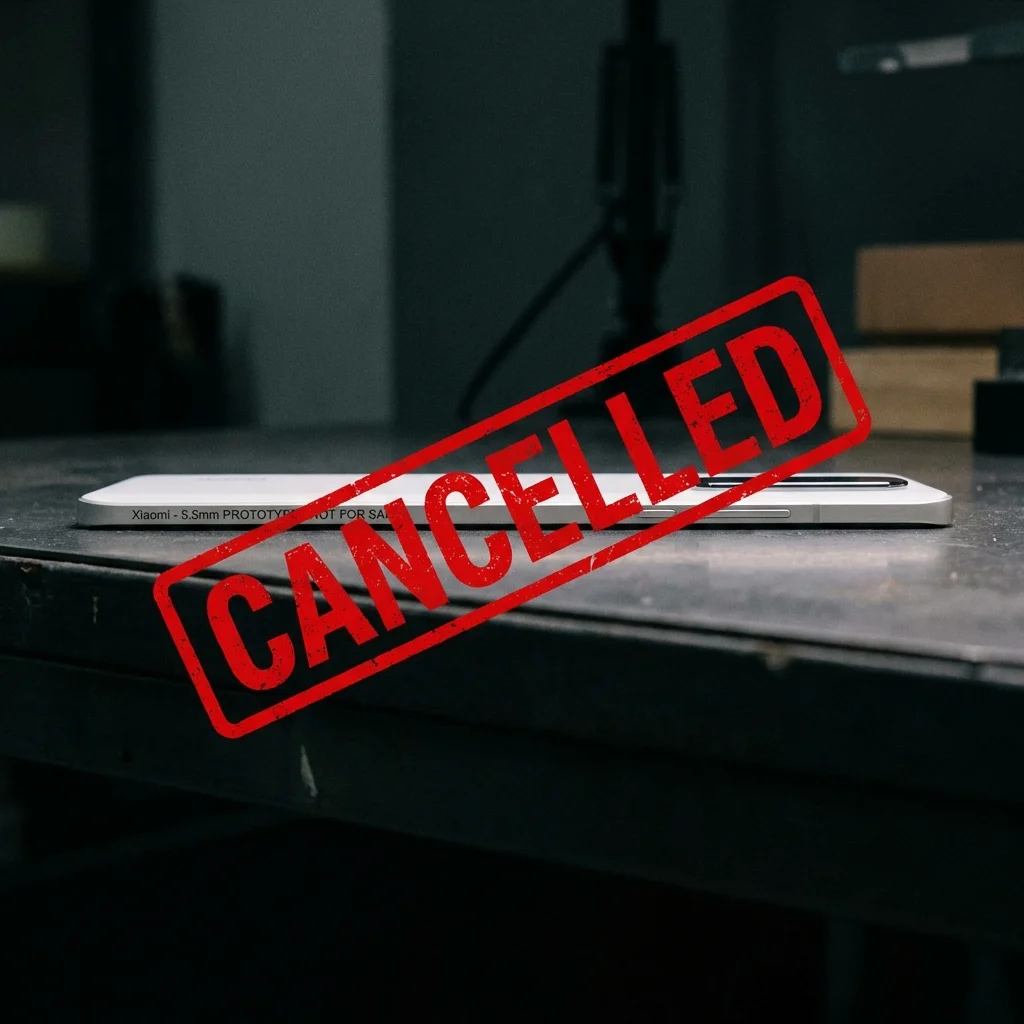
The Xiaomi 17 Air was an internal project aimed at creating one of the world's thinnest smartphones at just 5.5mm thick. For context, the iPhone 15 Pro is 8.25mm and most flagship phones are 7-9mm thick.
Leaked Specifications:
- Thickness: 5.5mm (thinner than iPhone Air)
- Display: 6.59-inch AMOLED
- Camera: 200MP primary + auxiliary lens
- Design: White back with horizontal camera unit
- Connectivity: e-SIM only (no physical SIM tray)
- Branding: "MASTER" logo on camera module
Why Was It Cancelled?
1. Quality Control Issues
According to leaked internal documents, the primary reason for cancellation was concerns about the quality control of the thin body.
Specific Problems:
- Structural Integrity: 5.5mm frame too fragile for daily use
- Bend Test Failures: Failed durability tests
- Screen Cracking: Higher risk of damage from drops
- Component Fitting: Difficulty fitting necessary hardware
2. Battery Capacity Limitations
At 5.5mm thickness, Xiaomi could only fit a ~3,500mAh battery - significantly smaller than the 5,000mAh+ standard in 2026 flagships.
💭 My Take: Battery life is THE most important feature for me. I'd rather have an 8mm phone that lasts 2 days than a 5.5mm phone that dies by lunch. Most users agree - thinness is overrated.
3. Market Failures of Competitors
Xiaomi observed the "colossal failure" of ultra-thin flagships from Apple (iPhone Air) and Samsung (Galaxy S25 Edge), which both suffered from poor sales due to:
- Short battery life complaints
- Durability concerns
- High price for compromised features
- Limited market demand for ultra-thin phones
Leaked Prototype Details
What We Know:
- Stage: Engineering mould/advanced prototype
- Color: White back cover
- Camera Design: Horizontal unit with "MASTER" branding
- Display: 6.59-inch with minimal bezels
- SIM: e-SIM only (space-saving measure)
- Materials: Premium aluminum frame
What Happens to the Technology?
While the 17 Air is cancelled, Xiaomi won't waste the R&D. Industry experts suggest the designs and learnings will influence:
Future Xiaomi Devices:
- MIX Fold 5: Ultra-thin foldable (when unfolded)
- Xiaomi 15 Ultra: Refined camera module design
- Xiaomi 16 Series: Optimized thickness (6.5-7mm)
Key Insight: Xiaomi learned that 6.5-7mm is the sweet spot - thin enough to feel premium, thick enough for good battery and durability.
Comparison: Ultra-Thin Phones 2026
| Phone | Thickness | Status | Reason |
|---|---|---|---|
| Xiaomi 17 Air | 5.5mm | Cancelled | Quality control |
| iPhone Air | 5.9mm | Poor sales | Battery complaints |
| Galaxy S25 Edge | 6.2mm | Discontinued | Durability issues |
| Standard Flagships | 7-9mm | Thriving | Balanced design |
What This Means for the Industry
Key Takeaways:
- ✅ Ultra-thin trend is dying (5-6mm phones don't sell)
- ✅ Users prioritize battery life over thinness
- ✅ 7-8mm is the new standard for flagships
- ✅ Durability matters more than aesthetics
- ✅ Manufacturers learning from each other's failures
📝 Abhijeet's Note: I've been saying this for years - the race to make phones thinner is pointless. Give me a 9mm phone with a 6,000mAh battery over a 5mm phone with 3,500mAh any day. Glad manufacturers are finally listening to users.
What I'd Want in a Thin Phone Instead
The Perfect Balance:
- Thickness: 7-7.5mm (premium feel, still durable)
- Battery: 5,000mAh minimum
- Weight: Under 200g
- Materials: Titanium or ceramic for strength
- Durability: IP68 + Gorilla Glass Victus 3
Key Takeaways
🎯 Summary
- ✅ Xiaomi 17 Air cancelled at prototype stage
- ✅ 5.5mm thickness caused quality control issues
- ✅ Battery capacity too small (~3,500mAh)
- ✅ Market failures of iPhone Air & Galaxy S25 Edge influenced decision
- ✅ Technology will be used in MIX Fold 5 and Xiaomi 15 series
- ✅ Industry moving away from ultra-thin phones