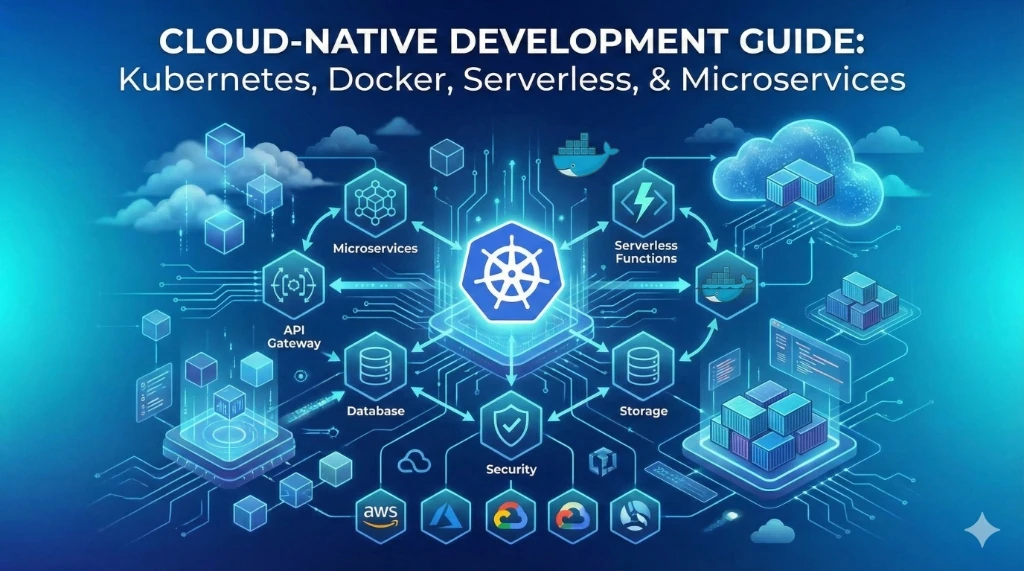
The 3 Pillars
1. Containerization (Docker)
Package your app with all its dependencies. If it runs in a Docker container, it runs anywhere.
2. Orchestration (Kubernetes)
Managing one container is easy. Managing 1,000 is impossible without Kubernetes. It handles:
- Scaling: Auto-add servers when traffic spikes.
- Self-healing: Restart crashed containers.
3. Serverless
Run code without managing servers at all. AWS Lambda, Cloudflare Workers.
- Pros: Zero maintenance, pay-per-use.
- Cons: Cold start latency.
The Modern Stack
- Frontend: Next.js on Vercel (Edge)
- Backend: Go/Python in Docker containers
- Database: Supabase or Neon (Serverless Postgres)
- Infrastructure: Terraform (Code)
Final Verdict
🎯 Where to Start?
Learn Docker first. It's the foundation. Then deploy a simple app to Vercel or AWS App Runner.
Don't touch Kubernetes until you actually need it.