Indian smartphone maker Lava International is trying to turn survival into a genuine comeback. A report published by the Financial Express on October 12, 2026, says the company plans to invest ₹1,100 crore over five years in component manufacturing while working to strengthen its products and win back customers in a market dominated by much larger global brands.
The challenge is not simply to launch another phone. Lava needs to convince buyers that an Indian brand can offer competitive performance, dependable software support, appealing design and value at prices where rivals have deep supply chains and large research budgets.
Lava’s comeback challenge
Lava was once a more visible player in India's mobile-phone market, but its share has fallen sharply as the smartphone industry consolidated around companies able to invest heavily in product development, procurement, marketing and retail distribution. Financial Express reported that Lava held around 1% of the market in 2025, compared with an estimated 6–8% at its peak roughly a decade earlier.
Those figures illustrate the distance the company must cover. A large retail network can help a brand reach customers, but shelf space alone does not create demand. Consumers also compare camera quality, processors, battery life, software updates, after-sales support and the experience of using a phone every day.
Why the ₹1,100 crore investment matters
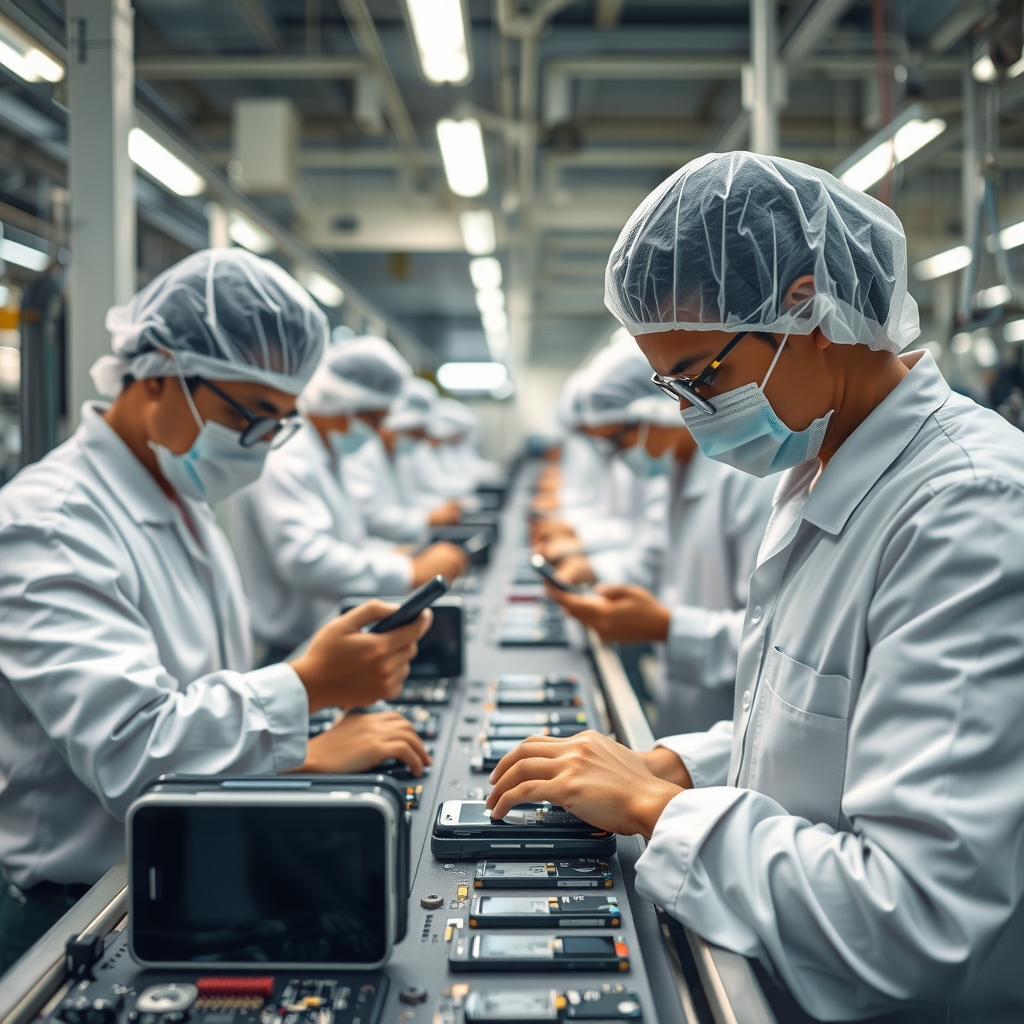
The reported five-year investment plan is focused on component manufacturing. More local production can help build manufacturing capability, improve supply-chain resilience and create opportunities for Indian suppliers. It may also reduce dependence on importing some components, although the outcome will depend on which parts are produced locally and whether domestic manufacturing can compete on cost, quality and scale.
Local assembly and component production are not the same thing. A smartphone can be assembled in India while still relying on imported processors, memory, displays and other high-value parts. Financial Express reported that key components such as processors and memory remain largely imported. Building a deeper domestic component ecosystem is therefore a longer-term task, not something a single investment announcement can complete.
Manufacturing scale is only one piece of the puzzle
Smartphones are complex products with tight launch cycles. Larger competitors can spread engineering and marketing costs across global sales, negotiate with component suppliers at scale and bring features to market quickly. An Indian manufacturer must make difficult choices about where to spend: camera systems, processors, displays, software, industrial design, service centres or promotions.
For Lava, a focused strategy may be more realistic than trying to compete with every brand in every price band. It could concentrate on a few price segments where buyers value reliable everyday performance, strong service and a clear reason to choose a domestic brand. But the company would still need to demonstrate that its products can meet customer expectations over time.
The ₹30,000-and-below opportunity
Financial Express reported that Lava aims to reach a 10% share of India's smartphone segment below ₹30,000 by 2030. That is an ambitious goal, and it should be treated as a target rather than a guaranteed outcome.
Customers in this range often want a balanced combination of battery life, smooth performance, camera quality, a bright display and a phone that will remain usable for several years. They may also care about service availability and the speed of software updates. Competitive pricing can attract attention, but repeated purchases and recommendations depend on the complete experience.
What local manufacturing can and cannot solve
Domestic production can support jobs, supplier development and greater control over selected parts of the supply chain. It may make it easier to coordinate production and respond to demand. Over time, component capabilities can also create opportunities to supply other electronics makers.
However, investment does not automatically produce lower retail prices. Factory utilisation, component yields, tooling costs, import duties, supplier scale and quality control all affect economics. High-end components may remain sourced from international suppliers for the foreseeable future. Lava's results will depend on whether its investment leads to dependable products at prices customers are willing to pay.
Distribution and customer trust remain critical
Lava has an established retail presence, with Financial Express reporting a network of around 110,000 outlets. Reach is useful, particularly for buyers who prefer to see a phone in person or want nearby support. Yet a broad network must be backed by product availability, trained staff, transparent specifications and consistent after-sales service.
Customer perception can be especially hard to change. If buyers associate a brand mainly with low-cost devices, moving into higher-priced products requires convincing proof of quality. Independent reviews, clear update policies, repair support and dependable real-world performance can help more than marketing slogans alone.
What to watch over the next few years
- Investment milestones: whether the ₹1,100 crore plan results in operating component capacity and which components are made locally.
- Product quality: whether upcoming phones offer competitive performance, cameras, battery life and software support.
- Market share: whether Lava gains ground in the under-₹30,000 segment rather than only announcing targets.
- Service experience: whether warranty, repairs and updates strengthen customer confidence.
- Financial performance: whether additional manufacturing and product spending can be sustained while keeping devices competitively priced.
FAQs
How much does Lava plan to invest?
Financial Express reported that Lava plans to invest ₹1,100 crore over five years in component manufacturing. This is a reported plan; the pace and results will depend on implementation.
What is Lava's target for 2030?
The company aims to reach a 10% share of India's smartphone market below ₹30,000, according to the report. It is a target, not a confirmed forecast.
Does making phones in India mean all parts are Indian-made?
No. Assembly location and component origin are different. Processors, memory and other parts can still be imported even when final assembly happens in India.
Why is it difficult for Indian smartphone brands to compete?
Global brands can spread research, procurement, product development and marketing costs across much larger sales volumes. Competing requires sustained investment as well as a product that customers trust.
Abhijeet Take
Lava's plan is worth watching because India's electronics story needs more than final assembly: it needs stronger component capability and homegrown brands that can win repeat customers. But the ₹1,100 crore figure alone will not decide the comeback. The real test is whether buyers start choosing Lava because the phone is genuinely competitive—not simply because it is Indian or affordable. Watch the products, software support, service quality and actual market-share movement over time.
Source
Financial Express — “Lava survives, but is yet to find its signal” (October 12, 2026).