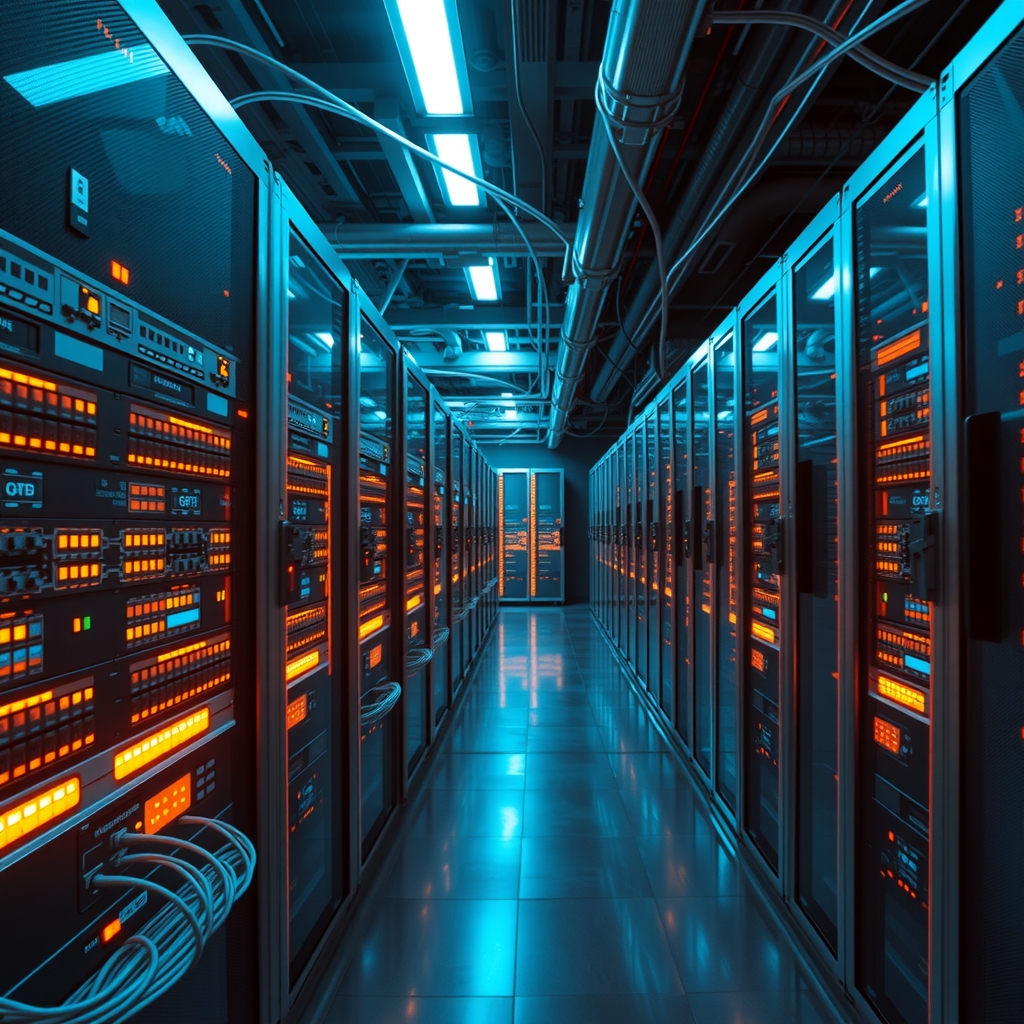
AI data centres are increasingly built around a mix of processors, networking equipment and software. That can create an integration headache: systems designed around one chip supplier may not easily work with hardware from another. Nvidia-backed startup Upscale AI says its new platform, Token Fabric, is designed to help operators connect AI processors from different suppliers across a data centre.
Reuters reported on October 8, 2026, that Upscale AI had launched Token Fabric, a platform combining hardware and software to connect AI chips from multiple vendors without requiring customers to integrate separate networking systems. The company was valued at $2 billion in June, according to the report. The launch lands as AI infrastructure spending grows and operators face pressure to make expensive computing systems work efficiently.
What is Token Fabric?
Token Fabric is presented as a hardware-and-software platform for connecting AI processors across a data centre. The aim is to make it easier to build infrastructure using chips from different suppliers rather than requiring a customer to design every part of the network around a single vendor's ecosystem.
That distinction matters because training and running advanced AI models requires many processors to exchange data quickly. The performance of a cluster depends not only on the chips themselves but also on how they communicate, how the network is configured and how the software manages workloads.
Upscale AI's approach is intended to reduce the complexity of connecting different types of AI hardware. Reuters described Token Fabric as enabling customers to build data centres with chips sourced from multiple suppliers, while avoiding the need to integrate separate networking systems for each setup.
Why mixed-vendor AI infrastructure matters
AI infrastructure is expensive, and companies may want flexibility when choosing processors. Different chips can have different strengths, availability, price points and software requirements. A multi-vendor environment could give operators more options when expanding capacity or responding to supply constraints.
But combining hardware is not as simple as placing different servers in the same room. Operators must consider network performance, compatibility, workload scheduling, reliability and the tools used to monitor and manage the system. If integration is difficult, the theoretical benefit of having more supplier choices can be reduced by engineering time and operational complexity.
A platform that simplifies those connections could therefore be useful to cloud providers, AI infrastructure companies and large organisations building their own computing clusters. Whether it delivers meaningful savings or performance improvements will depend on implementation details and real-world deployments.
The wider AI data-centre challenge
The launch comes during a period of heavy investment in AI computing. Companies are building or expanding data centres to support model training, inference and enterprise AI applications. That investment includes processors, servers, networking, electricity, cooling, buildings and the software needed to operate the infrastructure.
As the market expands, the challenge is shifting from simply obtaining powerful chips to making entire systems work together. Network bottlenecks, energy consumption, utilisation and the cost of keeping hardware busy can all influence the economics of an AI service.
Greater flexibility could help operators avoid being locked into one hardware path, but it does not automatically eliminate vendor dependence. Chip architectures, software stacks, developer tools and support arrangements still influence which systems customers can use effectively.
What has been confirmed—and what remains unclear?
Reuters reported the launch of Token Fabric on October 8, 2026, and described its purpose as connecting AI processors from different suppliers through a combined hardware-and-software platform. The report also said Upscale AI had been valued at $2 billion in June 2026.
The available reporting does not establish independent benchmark results, customer deployment figures, pricing, or quantified cost savings from Token Fabric. Those details matter when assessing whether the platform offers a practical advantage over existing networking approaches. The product announcement should therefore be treated as a significant infrastructure development, not proof that mixed-vendor AI clusters are now effortless or universally faster.
What customers should watch next
- Compatibility: which processors, networking components and software environments are supported.
- Performance: independent evidence on latency, bandwidth, reliability and workload scaling.
- Deployment: named customers and examples of Token Fabric operating in production data centres.
- Economics: total cost of ownership compared with existing networking and integration approaches.
- Openness: whether customers can add or replace hardware without major redesign or unexpected restrictions.
Why this matters for the AI industry
If the platform works as intended, it could address one practical obstacle to building AI infrastructure: integrating processors from more than one supplier. That would be relevant to organisations seeking flexibility as AI hardware evolves quickly. Still, networking is only one part of the system. Software compatibility, power availability, cooling and the economics of running workloads remain equally important.
For now, Token Fabric is worth watching as an attempt to make AI data-centre architecture more flexible. Its long-term significance will depend on customer adoption and measurable results rather than the announcement alone.
Abhijeet Take
The interesting part of this story is not simply that another AI infrastructure startup has launched a product. It is that the AI boom is creating demand for better ways to connect and operate hardware from different suppliers. Buying powerful chips is one challenge; getting thousands of processors to work together reliably is another.
If Token Fabric makes multi-vendor systems easier to deploy, it could give data-centre operators more choice. But the proof will be in production: supported hardware, independent performance data, customer deployments and total operating cost. Until those details are available, the sensible view is that this is a promising infrastructure move—not yet a proven industry-wide solution.
Frequently asked questions
What is Upscale AI's Token Fabric?
It is a hardware-and-software platform launched to connect AI processors from different suppliers across a data centre.
Why would a data centre use chips from different suppliers?
Operators may want flexibility in cost, availability, performance and workload fit rather than relying on one supplier for every computing need.
Does Token Fabric guarantee faster AI performance?
No such guarantee is established by the available report. Independent benchmarks and production results would be needed to evaluate performance.
How much was Upscale AI valued at?
Reuters reported that Upscale AI was valued at $2 billion in June 2026.
What should customers look for next?
Customers should look for supported hardware lists, production deployments, independent benchmarks, reliability data and transparent cost comparisons.
Sources
This article is based primarily on Reuters' report, “Nvidia-backed Upscale AI launches platform to connect chips from rival suppliers”, published October 8, 2026. Claims about the platform's purpose and the company's valuation are attributed to that report; performance and cost benefits are not assumed without independent evidence.