Over the past year, most conversations around AI have focused on models, benchmarks, and which company is ahead. But if you look closely at what’s happening inside companies, the real story is a bit different.
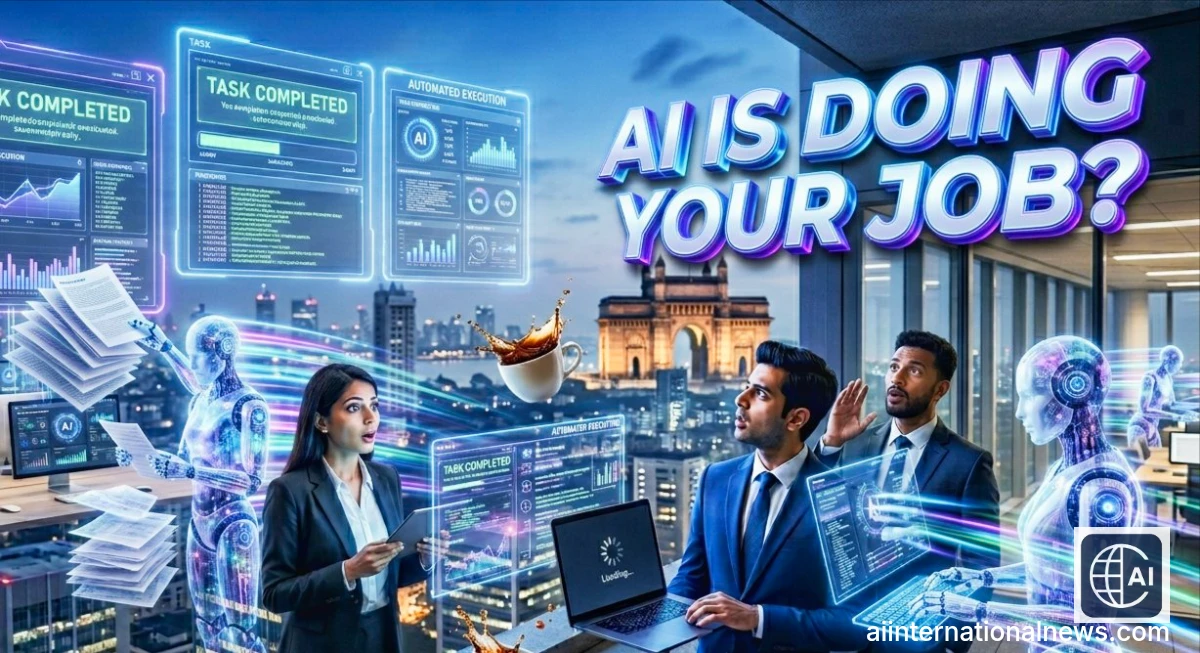
AI is no longer sitting on the side as a tool people occasionally try. It is slowly becoming part of how everyday work gets done. And this shift is happening faster than most people expected.
What’s Actually Changing Inside Companies?
A few months ago, many teams were still experimenting with AI. Someone in marketing might use it for captions. A developer might try it for debugging. It was useful, but not essential.
That phase is ending.
Now, teams are starting to depend on AI for real work. Not everything, but enough that removing it would slow them down.
- Customer support teams are drafting replies with AI
- Marketing teams are generating campaigns faster
- Developers are writing and reviewing code with assistance
- Founders are using AI for research and decision support
This is not a dramatic overnight change. It is gradual, but noticeable.
Why This Shift Feels Different
Tech trends usually go through a hype cycle. People get excited, try things, and then either drop them or find real use cases.
AI seems to be moving past that experimental phase.
The difference now is that companies are not just testing AI. They are trying to build workflows around it. That means figuring out where it fits, what it can reliably do, and where humans still need to step in.
This is slower than hype, but more important.
It’s Not About Replacing Jobs (At Least Not Yet)
A lot of headlines still focus on whether AI will replace jobs. Inside companies, the conversation is more practical.
The real question is not “Will AI replace people?”
It is: “Where can AI reduce time spent on repetitive work?”
In many cases, the answer is simple. Drafting, summarizing, organizing, and basic research are already being handled faster with AI.
But decision-making, strategy, and accountability still sit with humans.
Why Enterprises Are Moving Carefully
Even though adoption is increasing, large companies are not moving blindly. There are real concerns around accuracy, data privacy, and reliability.
That is why many organizations are taking a structured approach:
- Testing AI in smaller workflows first
- Setting clear usage guidelines
- Training teams on where AI can and cannot be used
- Combining AI output with human review
This may seem slow from the outside, but it is how real adoption happens.
The Bigger Picture: AI Is Becoming Invisible
The most interesting part of this shift is that AI is becoming less visible, not more.
People are not always saying, “I am using AI.” They are just getting work done faster.
This is similar to what happened with the internet. At one point, using the internet was a separate activity. Today, it is just part of everything.
AI seems to be heading in the same direction.
What This Means Going Forward
If this trend continues, the next phase of AI will not be defined by big launches or viral demos.
It will be defined by quiet integration into everyday tools and workflows.
For professionals, this means something simple but important:
- Knowing how to use AI will become a basic skill
- Those who adapt early will work faster
- Those who ignore it may fall behind in efficiency
The shift is not dramatic. But it is steady.
Sources and Context
This article is based on recent industry coverage, workplace adoption trends, and ongoing reporting around how companies are integrating AI tools into daily operations. The shift toward workflow-based AI adoption has been widely discussed across business and technology publications.
Frequently Asked Questions (FAQs)
Is AI already being used in offices?
Yes, many teams are using AI for writing, research, and productivity tasks.
Are companies fully dependent on AI?
No, most companies are still in a partial adoption phase.
Will AI replace jobs soon?
There is no clear timeline. Right now, it is more about improving productivity.
What is the biggest change happening?
AI is moving from experimentation to real workflow integration.
Abhijeet's Take
The most important AI shift right now is not happening in headlines. It is happening quietly inside teams that are figuring out how to actually use these tools every day.
The gap in the next 1 - 2 years may not be between companies that have AI and those that don’t. It may be between teams that know how to use it properly and those that don’t.