Hey everyone, Abhijeet here. On April 9, 2026, fresh supply-chain reporting added fuel to one of the most interesting stories in consumer tech: Apple may be preparing a new category of AI-focused home hardware. If the reports are accurate, this would not be another phone, watch, or headset. It would be a robotic smart display for the home.
What the Reports Suggest
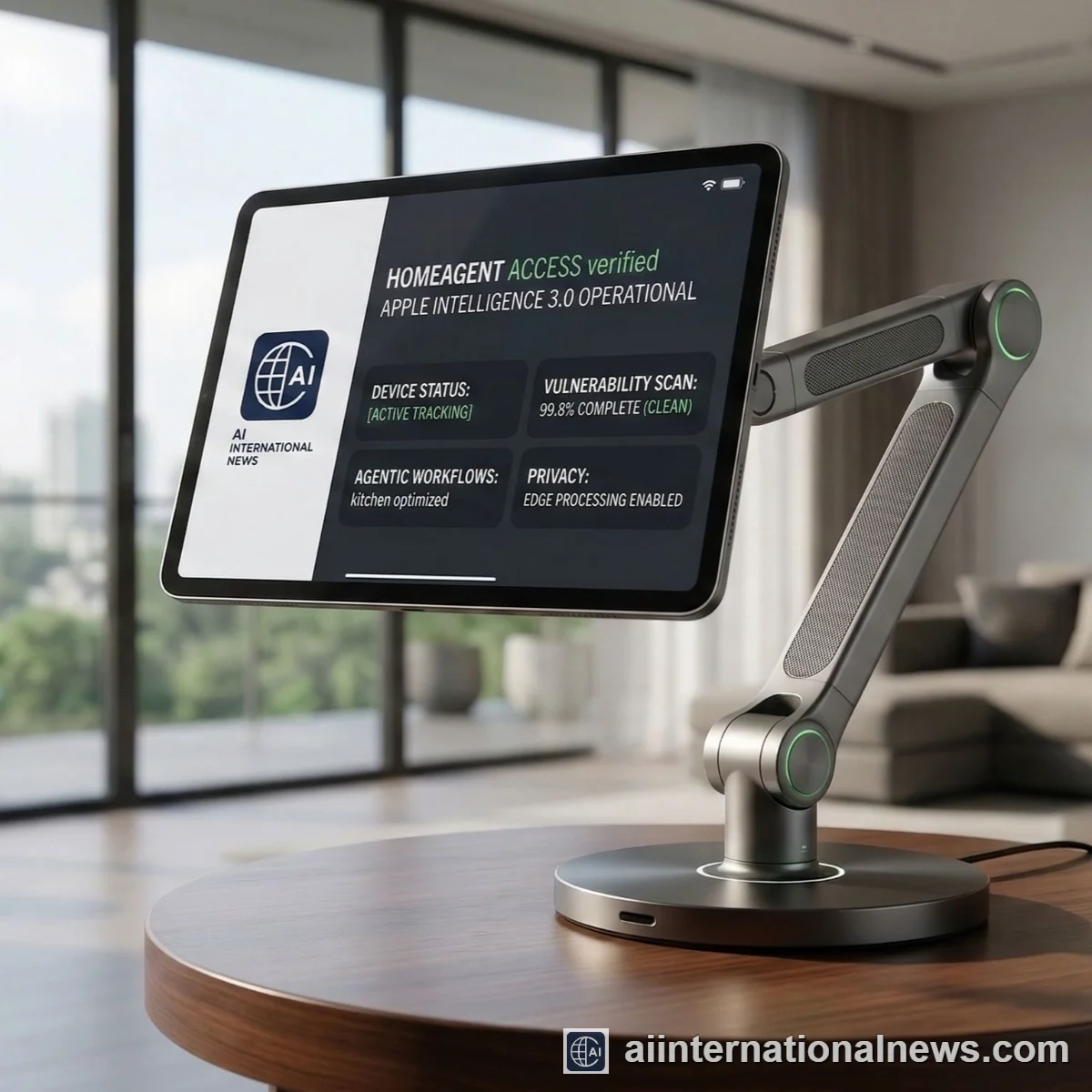
Recent reports from supply-chain and Apple-focused coverage describe a device that combines a premium display with a motorized base or arm. In simple terms, imagine a high-end smart display that can physically adjust its position, respond more naturally to voice input, and act as a central AI hub inside the home.
- AI-first experience: The rumored device appears designed around Apple's broader push into Apple Intelligence and more advanced on-device assistance.
- Physical movement: Reports suggest the screen could turn or tilt automatically, making video calls, recipes, and smart-home interactions feel more dynamic.
- Smart home control: Instead of handling only simple commands, the product could become a more context-aware control center for lighting, security, media, and routines.
Why this matters: Apple has been relatively cautious in the smart speaker and smart display space. A premium robotic home device would signal a bigger ambition: turning AI from something you open on a screen into something that stays present inside your daily environment.
Why Apple Might Be Moving Now
The smart home market is still open enough for a premium player to redefine it. Amazon built scale with Alexa, Google pushed Assistant deeply into Android and Nest devices, and Apple built a reputation around ecosystem integration and privacy. If Apple believes AI assistants are entering a new phase, the company may see home robotics as the next logical battleground.
A device like this would also fit Apple's broader pattern: wait for a category to mature, then enter with tighter hardware-software integration, better chips, and stronger control over user experience.
The Bigger Industry Shift
Across the tech industry, companies are trying to move AI beyond static apps and chat windows. Whether it is wearables, smart glasses, humanoid robots, or ambient home assistants, the direction is clear: AI is becoming more physical, more persistent, and more embedded in everyday routines.
If Apple launches a robotic smart display, it would not just be another gadget. It would be a signal that the next major interface war may happen inside the home, where AI helps manage tasks, devices, communication, and context throughout the day.
Abhijeet's Take
A lot of people may dismiss this idea at first, especially if the product launches at a premium price. But Apple has a long history of entering categories late and still reshaping public expectations. If the company combines strong custom silicon, useful on-device AI, and deep Home ecosystem integration, this product could become much more than a novelty. It could become Apple's first serious attempt at making AI feel physically present in the home.
Sources and Context
This article is based on current industry reporting, supply-chain discussion, and broader analysis of Apple's product strategy. Because Apple has not officially announced this device, some details may change before launch.
Frequently Asked Questions (FAQs)
Has Apple officially announced this robotic smart display?
No. As of April 9, 2026, Apple has not officially confirmed such a product. The current discussion is based on reports and supply-chain coverage.
What would make this different from existing smart displays?
The biggest difference would likely be the mix of robotic movement, Apple ecosystem integration, and stronger on-device AI processing focused on privacy and contextual assistance.
When could this device launch?
If the reports are accurate, a launch window could fall in late 2026 or 2027, but that remains speculative until Apple confirms the product publicly.