For the past few years, powerful AI models have mostly lived in the cloud. You send a request, servers process it, and you get a response. That model works, but it also has limits — latency, cost, and constant internet dependency.
Tencent is now pushing in a different direction with a surprisingly small AI model that runs directly on devices. At around 440MB, it challenges the idea that useful AI always needs massive infrastructure.
This is not just about size. It is about where AI runs.
What Makes This Model Different?
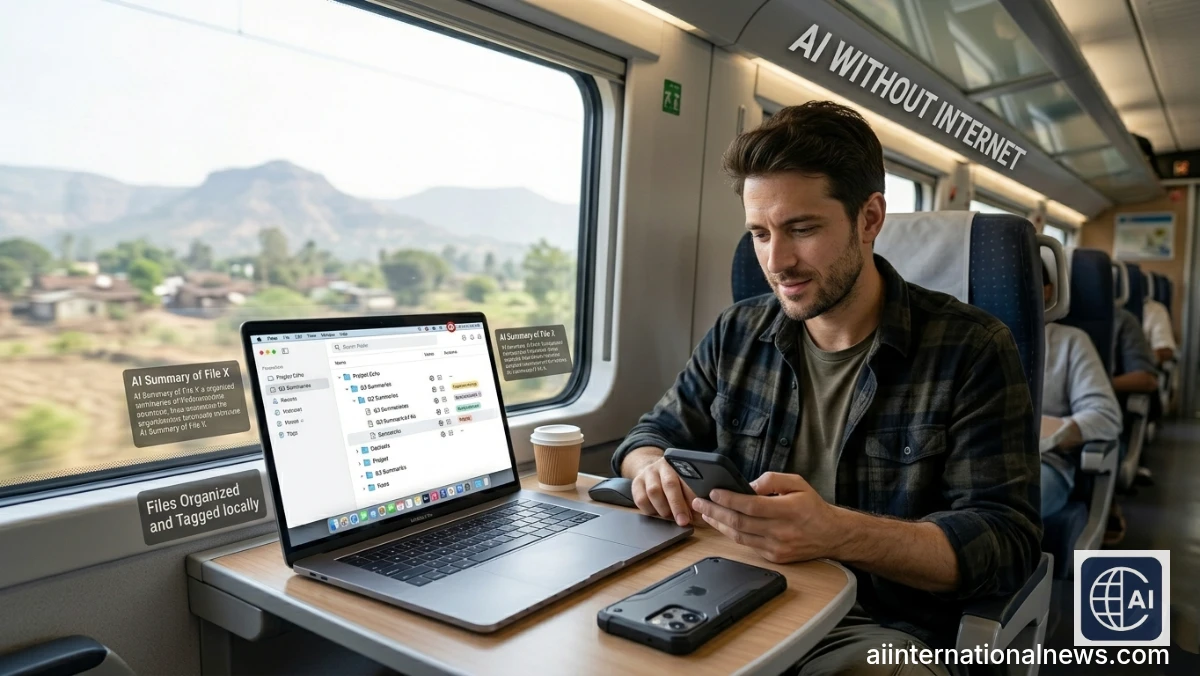
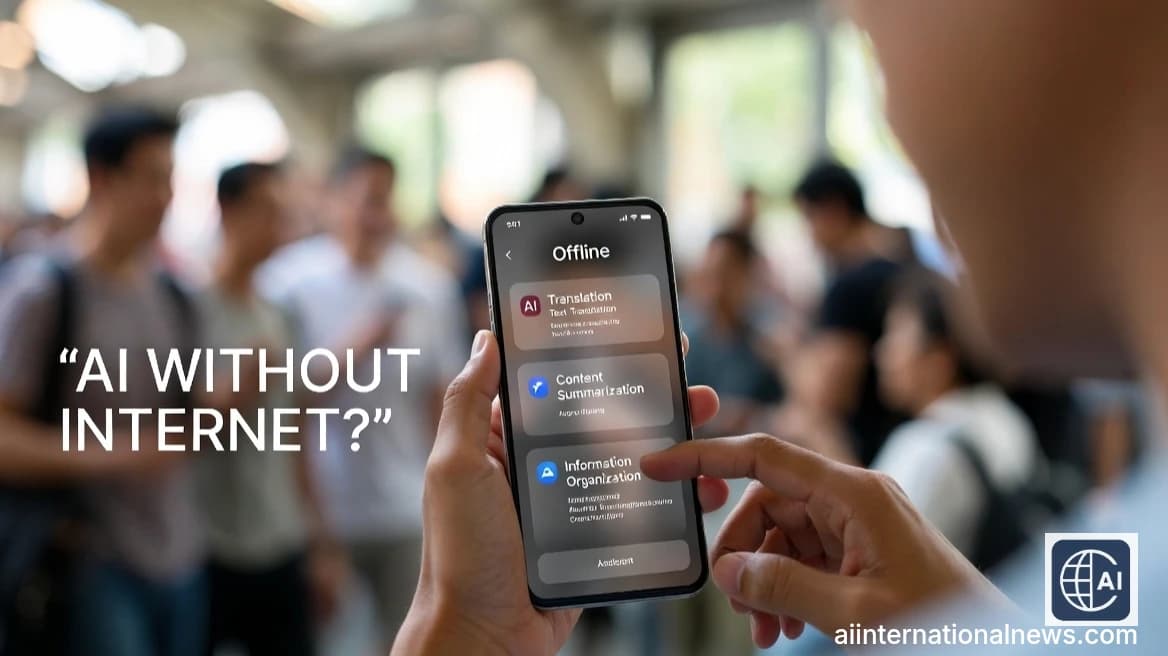
Most advanced AI systems today require large-scale cloud setups. In contrast, Tencent’s model is designed to run locally on mobile devices.
Despite its smaller size, early reports suggest it performs strongly in language-related tasks, including translation across dozens of languages.
This combination — small size and practical performance — is what makes it notable.
Why On-Device AI Matters
Running AI directly on a phone or local device changes several things at once.
- No need for constant internet connection
- Faster response times
- Better privacy since data stays on device
- Lower long-term infrastructure costs
For users, this means AI that feels more immediate and personal.
Is Smaller Actually Better?
Large models still have advantages in complexity and depth. But not every task needs that level of power.
For everyday use cases like translation, summarization, or basic assistance, smaller models can be enough — and sometimes more efficient.
This creates a split:
- Cloud AI for heavy tasks
- On-device AI for everyday usage
Both can coexist.
How This Fits Into a Bigger Trend
Tencent’s move is part of a broader shift toward edge AI — systems that operate closer to the user instead of relying entirely on centralized servers.
Other companies are exploring similar directions, especially as hardware improves and optimization techniques get better.
The goal is simple: make AI faster, cheaper, and more accessible.
What This Means for the Industry
If smaller models continue to improve, it could reshape how AI products are built.
Instead of relying only on cloud APIs, developers may start building hybrid systems where:
- Basic tasks run locally
- Complex tasks use cloud support
This reduces cost and improves user experience at the same time.
The Limitations to Keep in Mind
There are still trade-offs.
- Smaller models have limited reasoning depth
- Performance may vary across devices
- Updates are harder compared to cloud systems
So while promising, this approach is not a complete replacement yet.
Sources and Context
This article is based on recent announcements and reports around Tencent’s lightweight AI model designed for on-device use. Performance claims are based on early coverage and may evolve with further testing and deployment.
Frequently Asked Questions (FAQs)
Can this AI run fully offline?
Yes, that is one of its main advantages.
Is it as powerful as cloud AI?
Not fully, but it is optimized for practical everyday tasks.
Why is this important?
It makes AI faster, more private, and more accessible.
What is the key takeaway?
AI is starting to move from the cloud to your device.
Abhijeet's Take
This is one of the more practical directions in AI right now. Not everything needs a massive model running in a data center.
If smaller models keep improving, the real shift will not be who has the biggest AI, but who can run it closest to the user.